
A Certificate of Occupancy (CO) is a critical document for real estate investors, ensuring properties meet safety and zoning standards. Lenders require a current CO for loan approval, inspections, and compliance verification. Valid COs enhance property marketability, rental rates, and sales prices. Investors should prioritize obtaining a CO before projects begin, adhering to local codes, permits, and up-to-date inspections to avoid legal issues and financial losses. Accurate CO documentation is vital for successful real estate investments and loan applications.
In the dynamic realm of real estate investing, a Certificate of Occupancy (CO) stands as a pivotal document, shaping both investor decisions and property utilization. As markets evolve and regulations adapt, understanding the intricacies of this certificate becomes paramount for savvy investors aiming to navigate legal and safety standards effectively. This professional resource delves into the essence of the CO, elucidating its role, significance, and practical implications for informed investment strategies. By demystifying this critical aspect, we empower investors with knowledge, enabling them to make confident choices in a complex yet rewarding landscape.
Understanding Certificate of Occupancy: A Basic Guide for Investors

The Certificate of Occupancy (CO) is a crucial document for investors navigating the real estate market. This official certificate, issued by local building departments, verifies that a property meets all safety and zoning codes, essentially confirming it’s ready for occupancy. For borrowers seeking financing, a CO is often required by lenders as proof that the property is compliant with local regulations, reducing risk for both parties.
Understanding CO borrower requirements is essential for investors. Lenders typically insist on a current and valid CO before finalizing loan terms. The process involves a thorough inspection to ensure the property’s structural integrity, electrical systems, plumbing, fire safety, and compliance with accessibility standards. For instance, in urban areas where land is scarce, lenders may scrutinize COs more rigorously due to higher property values and increased investment risk. Knowing these requirements in advance allows borrowers to address any issues before applying for financing, streamlining the loan process.
A CO isn’t just a formality; it’s a critical indicator of a property’s value and marketability. Investors can use it to assess a property’s potential return on investment (ROI). Properties with current and valid COs are often more attractive to buyers and tenants, commanding higher rental rates or sales prices. Conversely, properties lacking a CO may face delays in selling or renting, potentially leading to revenue losses for investors. Staying informed about local building codes and ensuring compliance through proper documentation is therefore vital for successful real estate investments.
Why Is a CO Important for Property Investments?
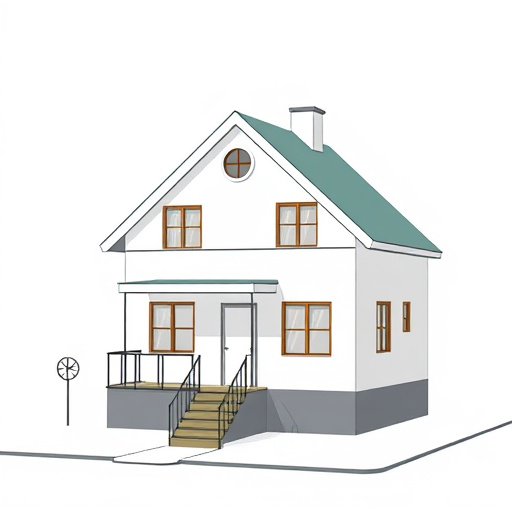
A Certificate of Occupancy (CO) is a vital document for property investors, serving as a critical indicator of a real estate asset’s safety, legality, and marketability. Its significance stems from its role in verifying that a property meets all local building codes, health, and safety standards following construction or renovation. For borrowers seeking funding for their investment properties, securing a CO is not merely a regulatory requirement but also a crucial step in gaining access to capital. Lenders typically demand a CO before approving loans, ensuring the property’s compliance and mitigating potential risks associated with non-conforming structures.
The importance of a CO extends beyond initial loan approval. It also facilitates seamless property transactions by providing assurance to prospective buyers or tenants that the property has been inspected and certified as safe for occupancy. This is particularly relevant in competitive real estate markets where investors often seek quick flips or long-term rentals. For example, a 2021 study revealed that properties with valid COs commanded higher rental rates and experienced faster occupancy compared to those lacking this certification. Furthermore, having a CO can enhance a property’s market value, making it an attractive investment for both individual investors and institutional lenders.
When considering a real estate investment, investors should not overlook the CO borrower requirements. This includes rigorous adherence to local building codes, obtaining necessary permits during construction or renovation, and ensuring all inspections are up-to-date. Compliance with these requirements not only facilitates smoother loan processes but also contributes to a robust investment strategy. Investors who prioritize obtaining a CO before initiating projects position themselves for long-term success, as it reduces the risk of legal issues, costly renovations, and potential financial losses associated with non-compliant properties.
How to Obtain a Certificate of Occupancy: Step-by-Step Process

Obtaining a Certificate of Occupancy (CO) is a crucial step for investors looking to navigate the real estate market effectively. This legal document confirms that a property meets all safety and building code standards, signaling its readiness for occupancy. For borrowers seeking financing, a CO is often required by lenders as proof that the property is secure and compliant with regulations. The process of acquiring this certificate involves several key steps, each demanding careful consideration and attention to detail.
The first step towards obtaining a CO is ensuring comprehensive inspection of the property. This includes meticulous checks by qualified professionals to verify compliance with local building codes, zoning regulations, and safety standards. Essential areas of assessment include structural integrity, electrical systems, plumbing, fire protection, and accessibility. For instance, in urban centers where renovation projects are common, lenders may mandate a more rigorous inspection regimen, given the potential for non-compliance or hidden issues. Borrowers should be prepared to provide detailed project plans and timelines to facilitate this process.
Upon successful completion of the inspection, the next phase involves submitting the necessary applications and documentation to the appropriate governmental authority. This can vary by location, but typically includes filling out application forms, providing relevant permits, and submitting updated building plans reflecting any alterations or additions. For borrowers, it’s essential to understand specific CO borrower requirements, such as proof of financial capability, project feasibility studies, and insurance documents, as these may be scrutinized during the review process. Timely submission and accuracy in documentation are paramount to expediting approval.
Finally, after processing the applications, the issuing authority will either approve or deny the request for a CO. If approved, the certificate is issued, confirming that the property has passed all necessary tests and is safe for occupancy. Denials often stem from non-compliance with codes or incomplete documentation. In such cases, borrowers should address the identified issues, resubmit the application, and await re-evaluation. Effective communication with inspectors and governmental bodies throughout this process can significantly enhance the likelihood of a successful outcome.
Legal Implications and Regulations: Navigating the CO Requirements

Navigating the legal landscape of real estate investment requires a keen understanding of critical documents like the Certificate of Occupancy (CO). This official document, issued by local building departments, signifies that a property meets all safety and zoning codes, thereby facilitating seamless transactions for investors. However, the CO’s role extends far beyond mere formality; it carries significant legal implications, especially for borrowers seeking financing. Lenders often require a current and accurate CO as part of their loan underwriting process, ensuring both the property’s compliance with regulations and its inherent value as collateral.
For investors, understanding the nuances of CO requirements is paramount. Non-compliance or discrepancies in the document can lead to delays, increased costs, or even legal challenges during the borrowing phase. For instance, a borrower might face scrutiny if the CO indicates non-permitted alterations or uses that could impact loan eligibility. Lenders typically conduct thorough due diligence, scrutinizing the property’s history and current status through the CO. Therefore, investors should ensure all renovations, changes in use, or occupancy shifts are properly documented and reflected on the certificate to avoid potential issues when securing financing.
Expert advice suggests regular updates of the CO, especially for properties with a history of renovations or changes in ownership. Some jurisdictions require CO renewals after specific intervals, while others do so upon request. Keeping the certificate up-to-date ensures a smoother borrowing process and demonstrates good faith on the part of the investor. For instance, a property owner who undergoes significant upgrades might need to obtain a new CO to reflect the altered physical attributes, thereby facilitating loan applications based on an accurate representation of the asset’s current state.
Common Mistakes to Avoid During CO Application

Securing a Certificate of Occupancy (CO) is a crucial step for any property investor looking to navigate the complex landscape of real estate transactions. However, the application process can be fraught with common mistakes that often delay or even jeopardize approval. This section delves into critical errors to avoid, drawing from industry insights and expert experience.
One frequent oversight involves misinterpreting borrower requirements. Lenders typically expect comprehensive documentation, including financial statements, proof of funds, and detailed property information. Inadequate preparation in these areas can lead to application delays or rejections. For instance, a borrower might fail to provide recent tax returns, which are essential for verifying income and creditworthiness. It’s crucial to anticipate these needs well in advance and assemble the necessary documents meticulously, ensuring compliance with the certificate of occupancy borrower requirements.
Another pitfall is rushing the application process without thorough understanding. Each property has unique characteristics, and a one-size-fits-all approach rarely yields optimal results. Investors should take time to familiarize themselves with local zoning regulations and building codes. Failure to do so can result in costly mistakes, such as submitting incorrect plans or omitting required permits. A detailed analysis of the property’s history and any potential red flags is essential before initiating the CO application.
Moreover, maintaining accurate records throughout the process is paramount. From initial property acquisition to final inspection, every step should be meticulously documented. This includes correspondence with contractors, architects, and inspectors. Well-organized records not only facilitate a smoother process but also provide a robust defense in case of scrutiny or disputes. Investors should adopt a systematic approach, keeping detailed notes and digital backups to ensure everything is in order when applying for the certificate of occupancy.
Maximizing Investment Potential with a Valid Certificate of Occupancy

A Certificate of Occupancy (CO) is a crucial document for investors looking to maximize their return on investment. This certificate, issued by a local building department, verifies that a property meets all safety and zoning codes, essentially confirming it’s ready for occupancy. For investors, understanding the importance of a valid CO and its borrower requirements is essential to navigate the market effectively. A CO not only assures tenants and lenders but also sets the stage for a seamless transition from construction to rental or sale, streamlining processes and reducing potential delays or financial losses.
For instance, consider an investor who has rehabbed a property with the intent of flipping it for profit. A key milestone in this process is obtaining a CO, ensuring that all renovations meet code standards. This document allows the investor to market the property accurately, attracting qualified buyers or tenants. Moreover, lenders often require a CO before extending credit, making it a critical component in securing financing for real estate projects. By fulfilling these borrower requirements, investors can access capital more easily and move forward with their plans.
Maximizing investment potential through a valid CO involves staying informed about local regulations and engaging professionals who understand these processes. Investors should consult with building department officials and experienced real estate attorneys to ensure compliance. Regular inspections during construction and pre-occupancy checks are prudent steps to avoid costly surprises post-issuance. By prioritizing the certificate of occupancy and its associated borrower requirements, investors can navigate the market with confidence, ensuring their properties meet not just legal standards but also elevate the overall quality and appeal of their investments.